Human connection. Working systems.

Cape Town base · Built for real rooms

The operating system behind the experience

mAIstro

Fill the room.
Conduct the rest.

Your event has a vision. Give it a system. Connect sales, follow-up, content, and operations—and get back to the experience people came for.

Akil WadeBuilt by Akil Wade.Founder, mAIstro + AfricAI

Event Growth OS · A focused 90-day installation

Scroll to discover

01 / The operator’s problem

A great event should feel effortless.
Including for you.

The vision is clear.
The work is everywhere.

A warm lead sits in a DM. A sponsor conversation lives in someone’s inbox. The next content deadline is in a spreadsheet nobody has opened. You become the connection between everything.

mAIstro gives that work a home. Each conversation has an owner. Every next step is visible. Content supports the event’s story. Your team can see what matters before you have to ask.

More room to host. More time to think. A business that can run another event without starting over.

A meaningful room

300+ seats

Or a high-ticket experience where each qualified attendee matters. For recurring entrepreneur, creator, leadership, culture, and travel events.

Enough runway

90–180 days out

Time to understand the sales journey, build the working pieces, and put them into use before the room opens.

Built to repeat

The next edition

A recurring calendar and a real revenue model. The system should become more useful with every event you run.

02 / What gets installed

One system.
Four working parts.

From the first conversation to the next edition. Explore how the pieces connect.

Choose a part to see how it works.

01 / Capture the interest

Every conversation.
One clear next step.

Bring inquiries, referrals, partner leads, and sales conversations into a shared view. Give each lead context, a stage, an owner, and a next action so your team knows where to put its attention.

Inquiry→Qualified interest→Assigned next step

Illustrative workflow. The actual stages are designed around your event.
02 / Keep the conversation moving

Warm interest needs
a working rhythm.

Make follow-up visible and consistent. Track what was said, when to reconnect, who owns the reply, and what the person needs next. Use reminders and human-reviewed messages that fit the relationship.

Conversation→Next action→Reviewed follow-up

Illustrative workflow. Automation supports your team’s judgment.

03 / Give the story a job

Content that connects
to the next room.

Connect your event story, speaker moments, partner outreach, and referral activity to a useful publishing rhythm. Define who each piece is for and where interested people go next.

Event story→Content + partners→Relevant interest

Illustrative workflow. Channels and publishing commitments are scoped together.

04 / Direct the work

See what matters.
Know who owns it.

Bring seats, revenue, deadlines, priorities, and responsibilities into the same operating conversation. The board should help you decide what needs attention and make handoffs clear before event day.

Current picture→Priority + owner→Next decision

Illustrative workflow. Figures come from your connected records.

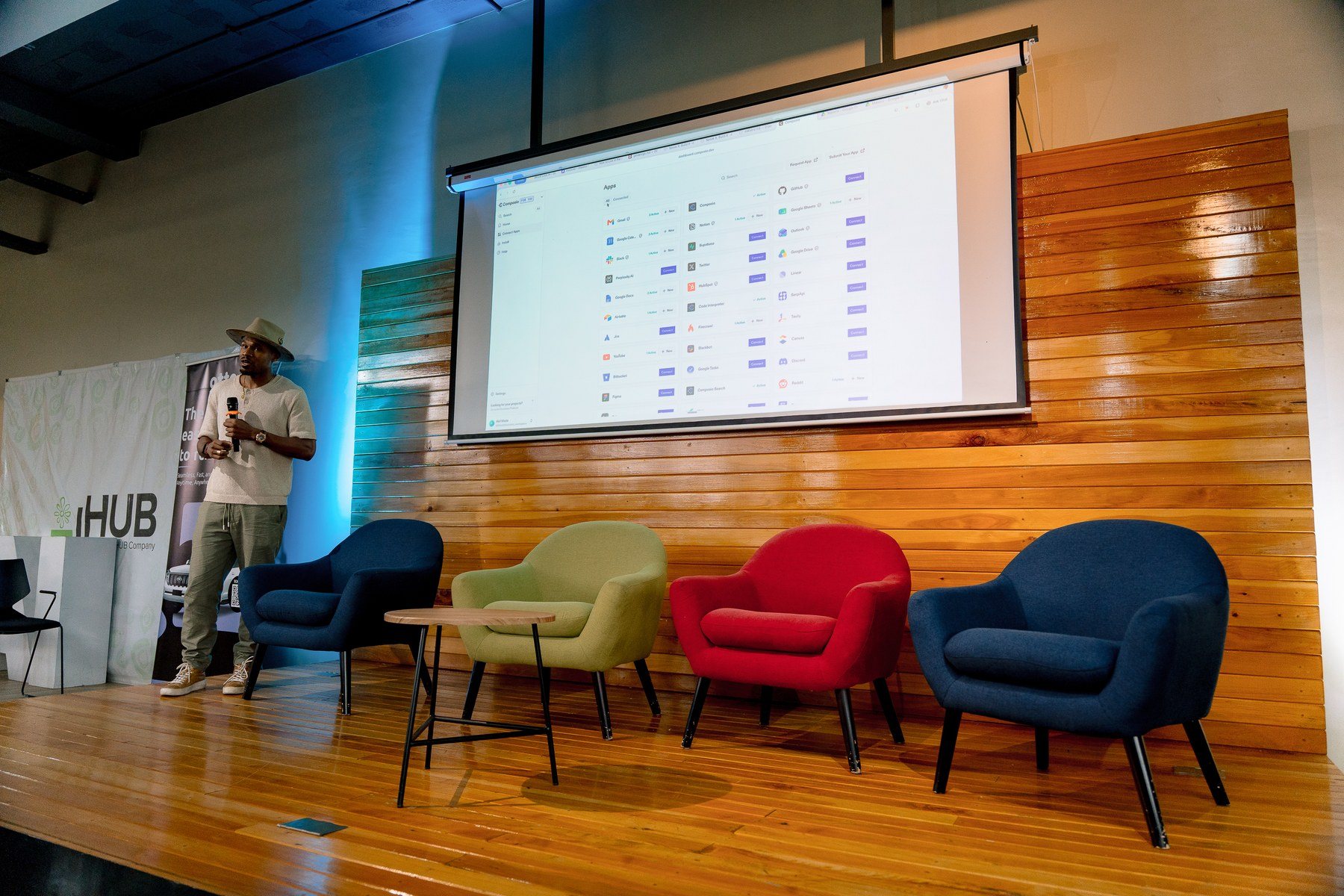
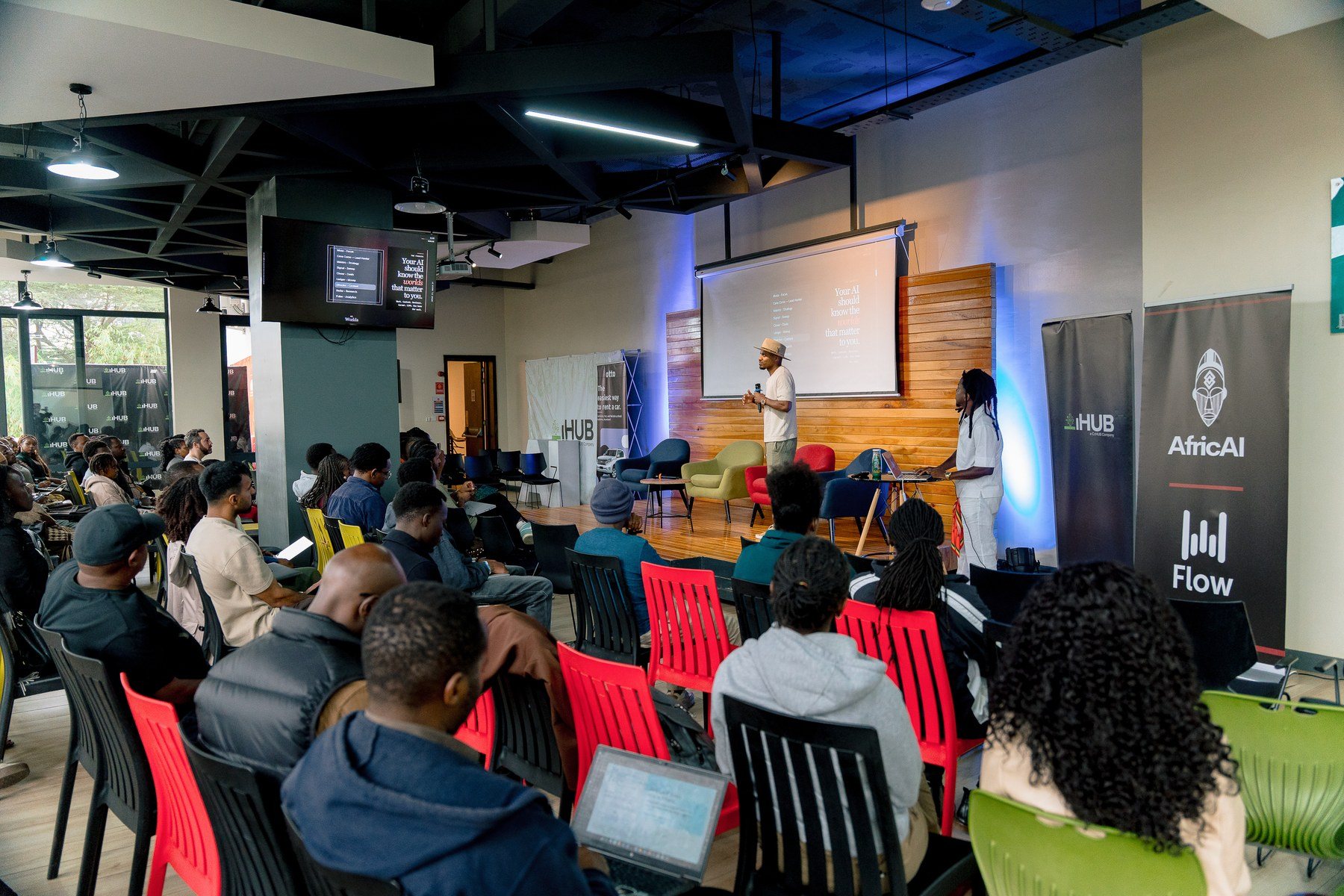
Akil Wade teaching a room of participants at iHub NairobiAfricAI Kenya / iHub Nairobi / Organizer photograph

03 / Built from the operator side

The room is human.
The system makes space.

Inside the Nairobi workshop

04 / The installation

Build it.
Use it.
Make it yours.

A focused 90-day build around your next event. The audit establishes what you need and whether this is the right fit.

Start with your event
  1. 01
    Weeks 1–2

    Find the leaks.

    Map the event, your current leads, the conversion path, and the people doing the work. Find where interest goes quiet, decisions stall, or the same admin repeats.

    • Understand the current customer journey
    • Agree on priorities and responsibilities
    • Define the first working version
  2. 02
    Weeks 3–8

    Connect the pieces.

    Install the lead view, follow-up rhythm, content workflow, and command board in a sequence the team can absorb. Bring the tools into a working process.

    • Build around the agreed scope
    • Test handoffs with real use cases
    • Put the system into the team’s day
  3. 03
    Weeks 9–12

    Run and refine.

    Use the system, look for friction, and improve the rhythm. Make the work understandable enough that your team can keep moving and prepare for the next edition.

    • Review how the pieces perform together
    • Clarify remaining ownership gaps
    • Prepare the repeatable operating rhythm
Akil Wade presenting practical AI workflows at iHub Nairobi
01 / NairobiPractical AI, demonstrated in the room. AfricAI Kenya, August 3, 2026.
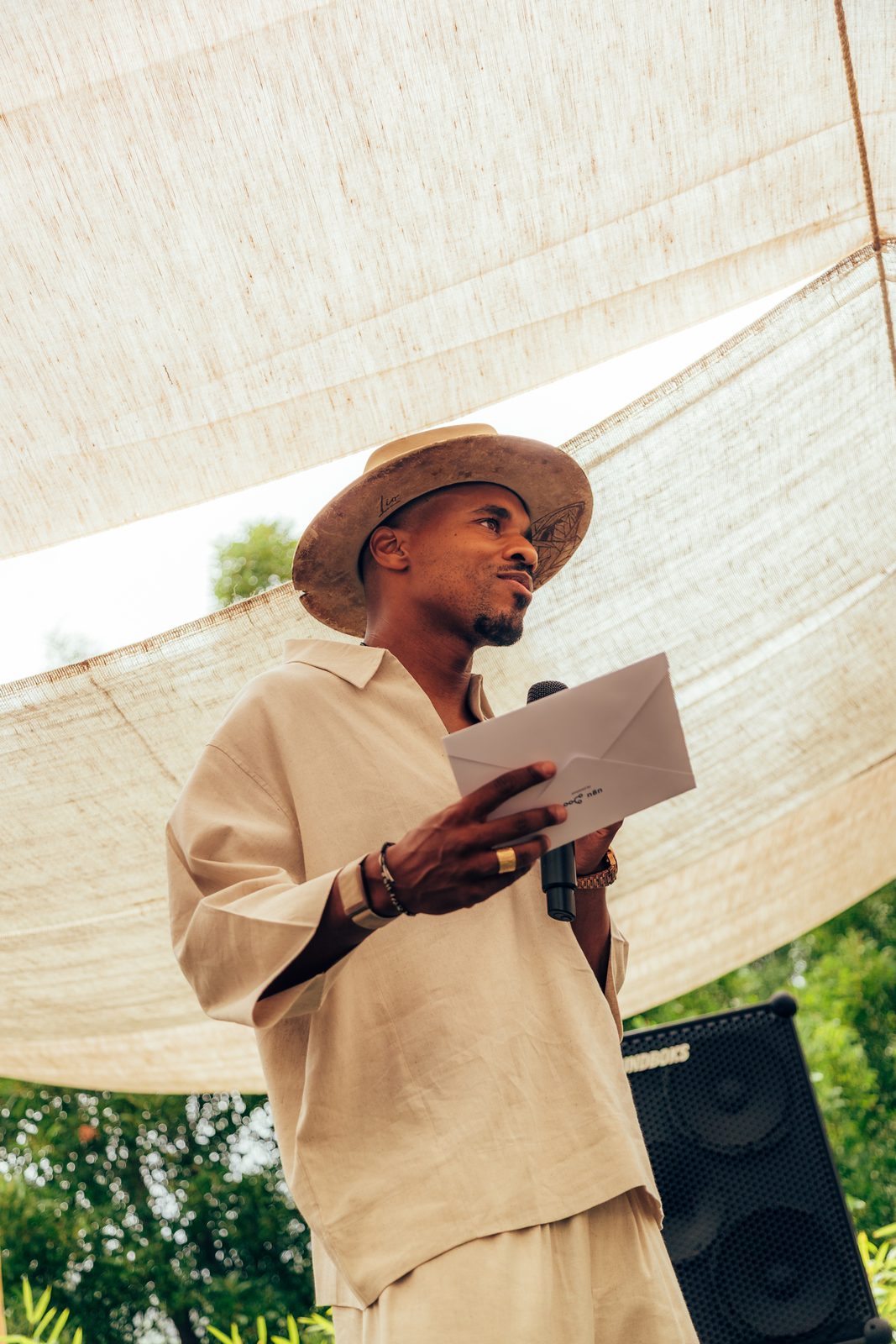
Portrait of Akil speaking at AfricAI in Cape Town
02 / Cape TownAkil Wade at AfricAI. Founder, host, and community convener.
Participants following the workshop at iHub Nairobi
03 / In the roomA workshop photograph documents activity; it does not establish attendance or outcomes.
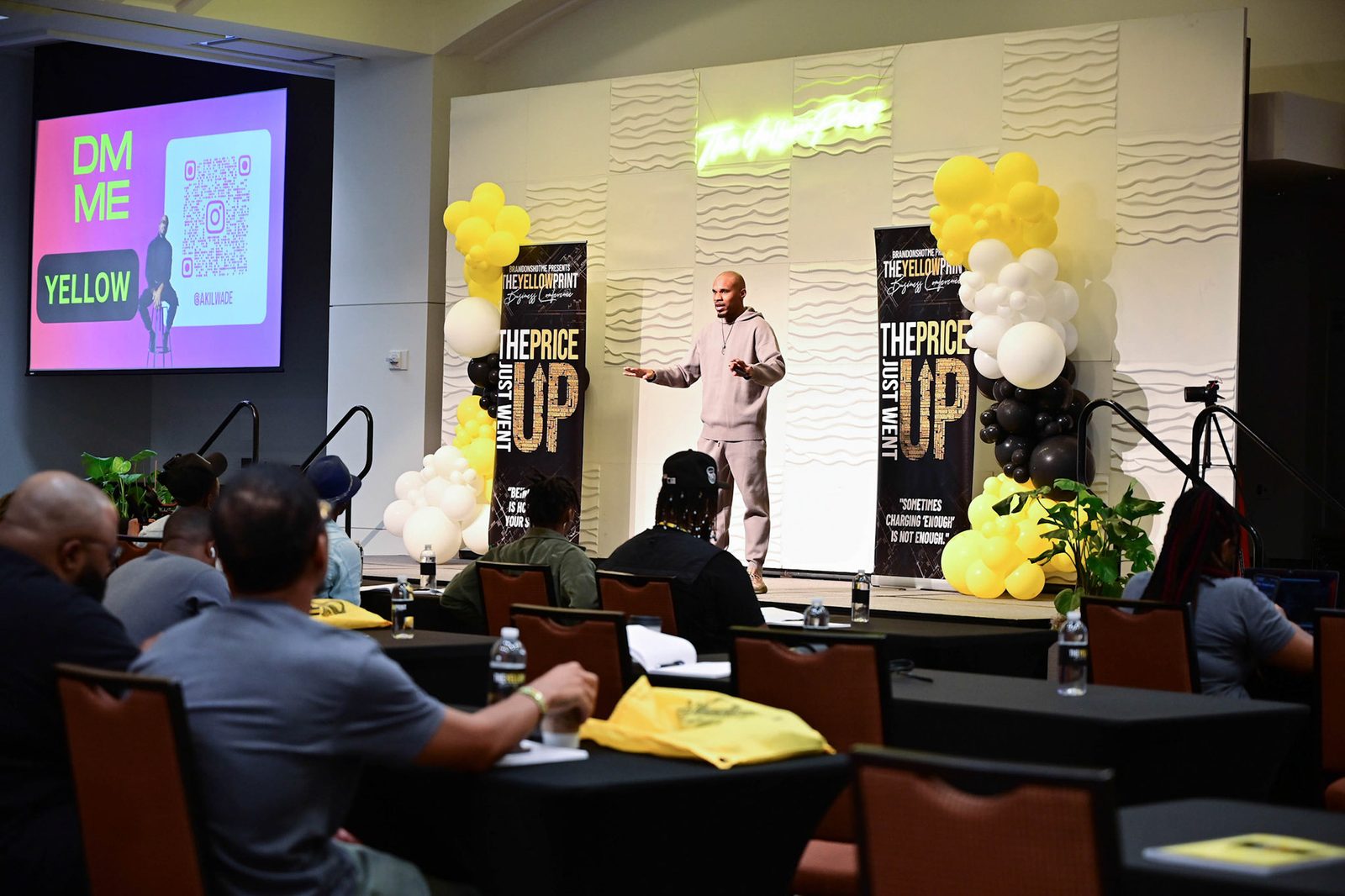
Akil Wade speaking on a conference stage
04 / On stageIdeas, entrepreneurship, and the practical use of technology.
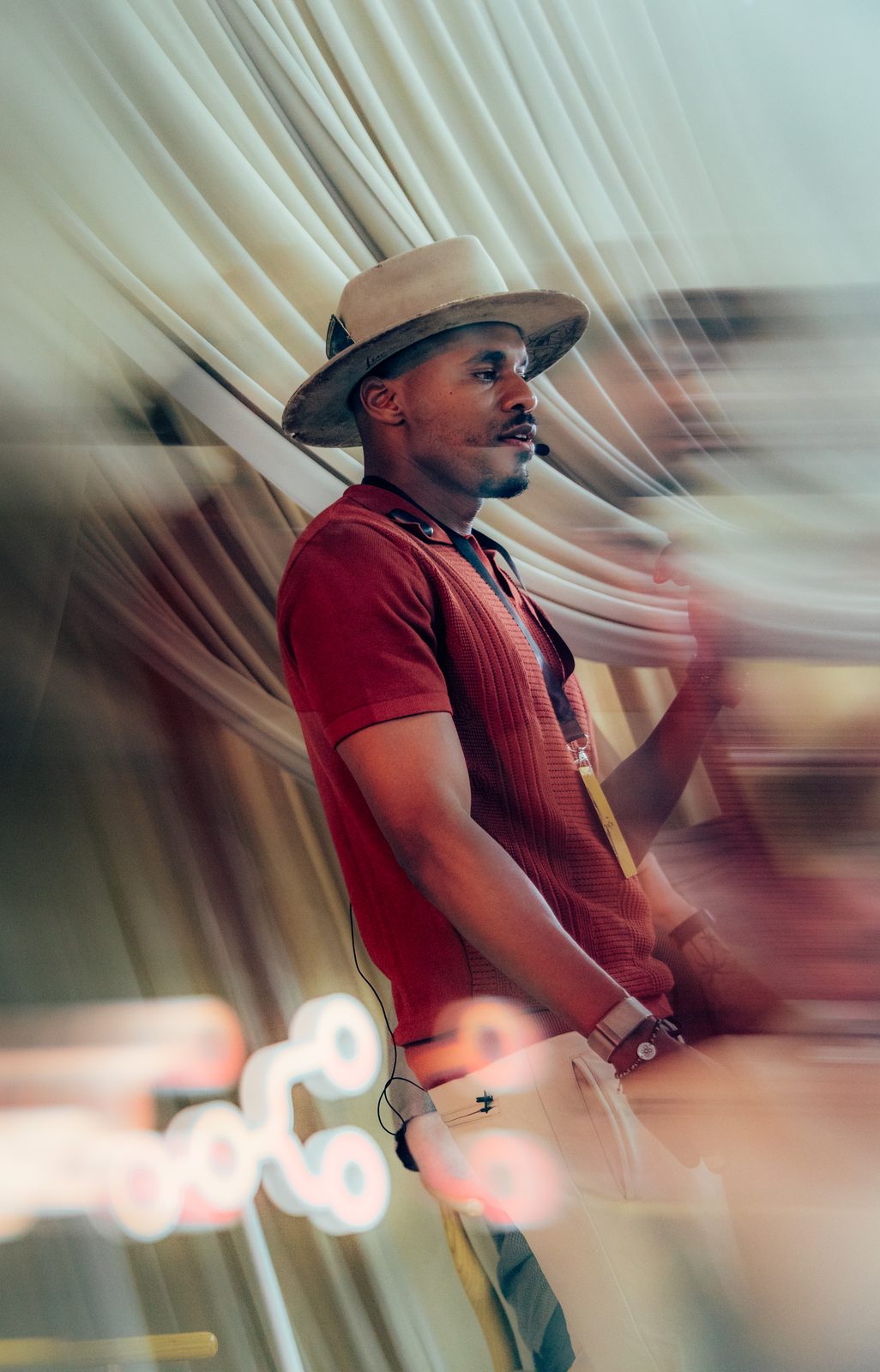
Akil Wade hosting an AfricAI session
Akil Wade / Founder of AfricAI and mAIstro

06 / The person behind the system

A builder.
A convener.
An operator.

Akil Wade is a Cape Town-based entrepreneur, AI event builder, and community convener. He founded AfricAI and mAIstro, and co-leads Black Kids Travel.

His work brings production, live experience, practical AI, and global community together. AfricAI creates places for people to learn and connect. mAIstro builds the systems around the work.

His guiding idea is simple: technology should return time to a life worth living. For an event founder, that means more capacity to host, create, and be present.

07 / Before we talk

A few
good questions.

Is this a fit for my event?

The focus is recurring paid events with a clear audience, a real revenue model, and time to build. The 300+ seat guideline can also fit smaller, high-ticket rooms. The audit is where we look at your specific situation.

What happens in the Event Growth Audit?

We look at your next event, the current sales journey, your team’s workflow, and where interest or time is getting lost. That conversation helps define the problem, the priorities, and whether a 90-day build makes sense.

Do we have to replace every tool?

Your current tools are part of the audit. The scope should follow the operating problem: where information lives, how people use it, and what needs to connect. Specific tools and changes are agreed as part of the build.

Does AI send messages without review?

The follow-up approach uses clear ownership and human-reviewed messages. The team’s permissions, relationships, and approval needs should be built into the workflow.

Does the installation guarantee ticket sales?

The work improves the system around sales, follow-up, content, and operations. Ticket demand and results also depend on your offer, audience, timing, and execution. Scope and success measures are established around your event.

Where can I see Akil’s event work?

Start with the biography and the AfricAI Kenya reporting brief. The public record separates event facts and photographs from unverified attendance, adoption, or outcome claims.

Your next event deserves a system

You build the room.
Let’s build what
holds it together.

Bring your next event, the vision behind it, and the work that keeps pulling you away. We’ll start there.

Book an Event Growth Audit ↗